There is no single Parisian style. But there is a logic to how Parisian women shop: fewer pieces, worn longer, bought from brands they actually believe in rather than ones their algorithm served them. The brands below are the ones I see on the street, on my friends, and in my own wardrobe.
A Parisian does not buy a new wardrobe every season. She buys one good piece, wears it for ten years, and lets other people worry about trends.
Sézane
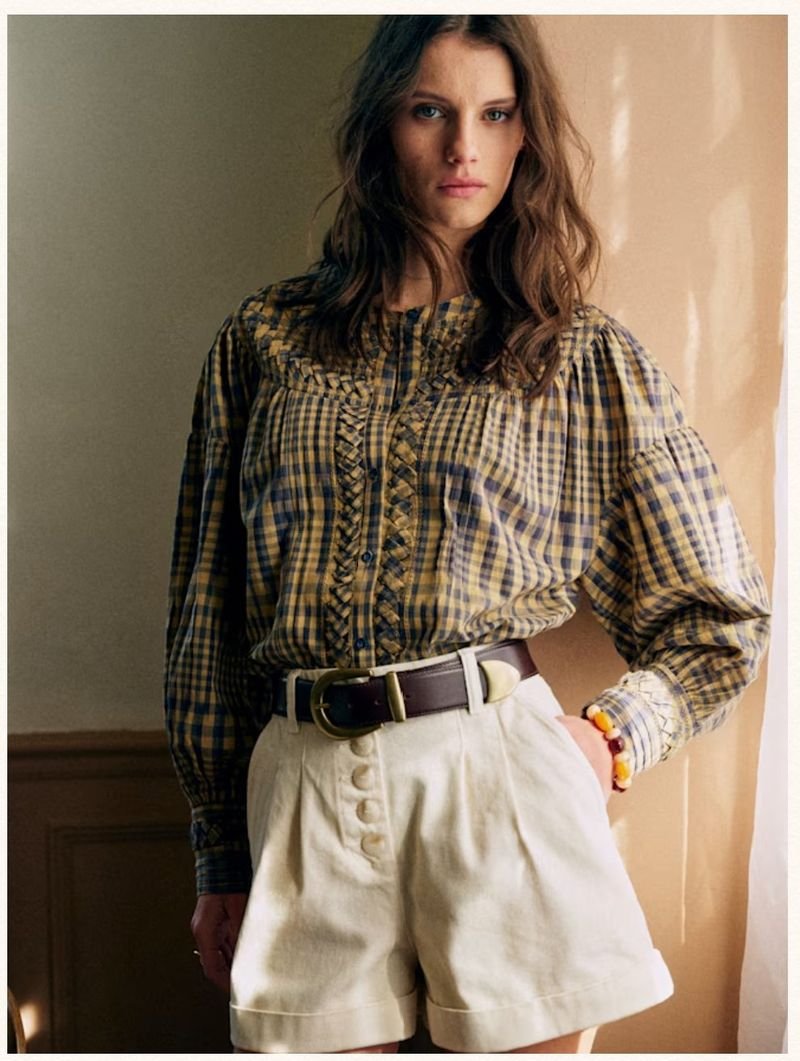
Sézane is probably the most talked-about French brand of the past decade, and for once the reputation is mostly deserved. Founded by Morgane Sézalory in 2013, it started as a vintage-resale Instagram account before becoming a full ready-to-wear label. The DNA is still there: linen shirts that look like they were found in a flea market, knitwear in muted earth tones, the occasional printed silk blouse that photographs brilliantly and actually holds up to washing.
The quality is genuinely good for the price range. Pieces sit between fast fashion and accessible luxury, and they age well rather than collapsing after a season. The silhouettes are relaxed without being shapeless. If I had to summarise the Sézane customer, she buys less but buys deliberately, and she does not need a logo to feel dressed.
L’Appartement on rue Saint-Fiacre is the main Paris store and worth the visit in itself: the space is designed to feel like a private flat, with armchairs, bookshelves, and vintage objects mixed in with the clothes.
A.P.C.
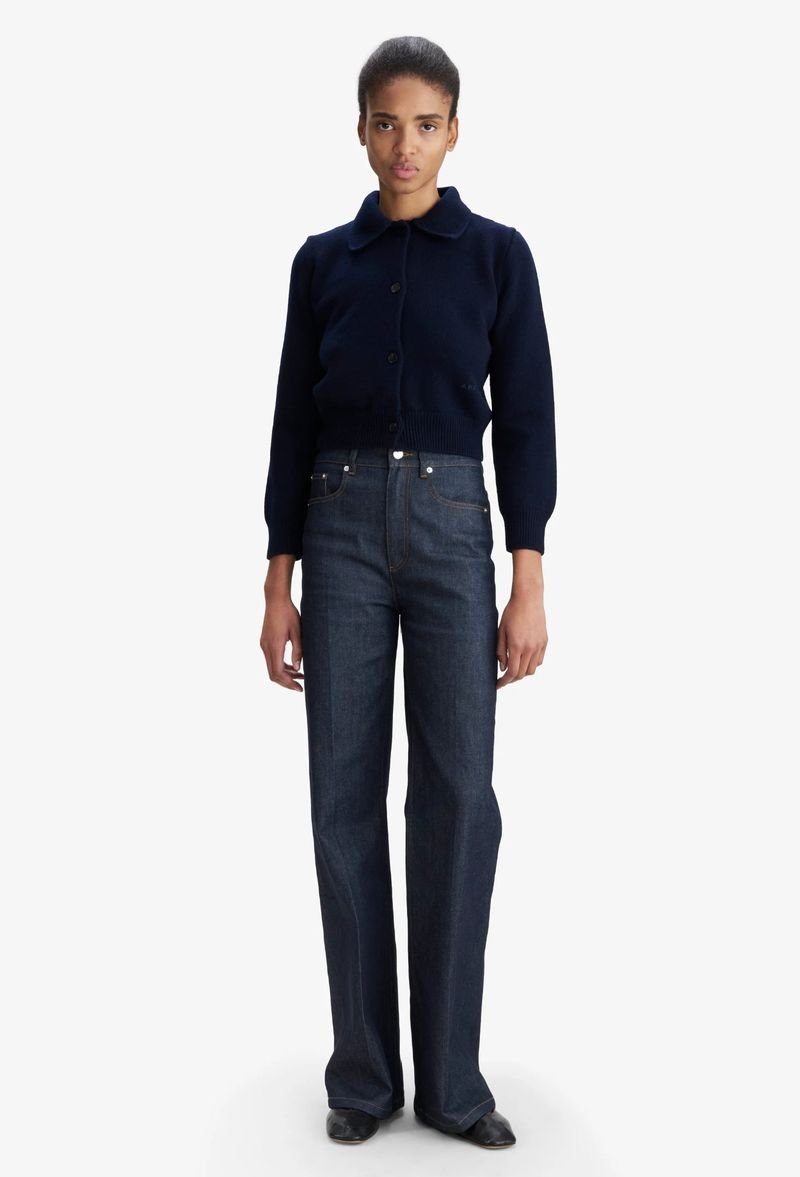
Jean Touitou founded A.P.C. in 1987 with a very clear idea: make well-cut clothes in quality fabrics, with no decoration, no embellishment, and no branding visible from a distance. Nearly forty years later the proposition has not changed much, which is itself part of the appeal. A.P.C. is the brand you wear when you want to look pulled together without appearing to have tried.
The cuts are precise and the palette restrained: navy, off-white, camel, dark green, the occasional rust in autumn. The raw-selvedge denim is the most famous product and genuinely one of the best in this price range. But the knitwear, the tailored coats, and the simple cotton shirts are equally considered. Nothing here is trendy. Everything is designed to be worn for years.
The rue Madame store in Saint-Germain is the most pleasant to visit. Sales in January and July are significant and worth planning around if you have a specific piece in mind.
Rouje
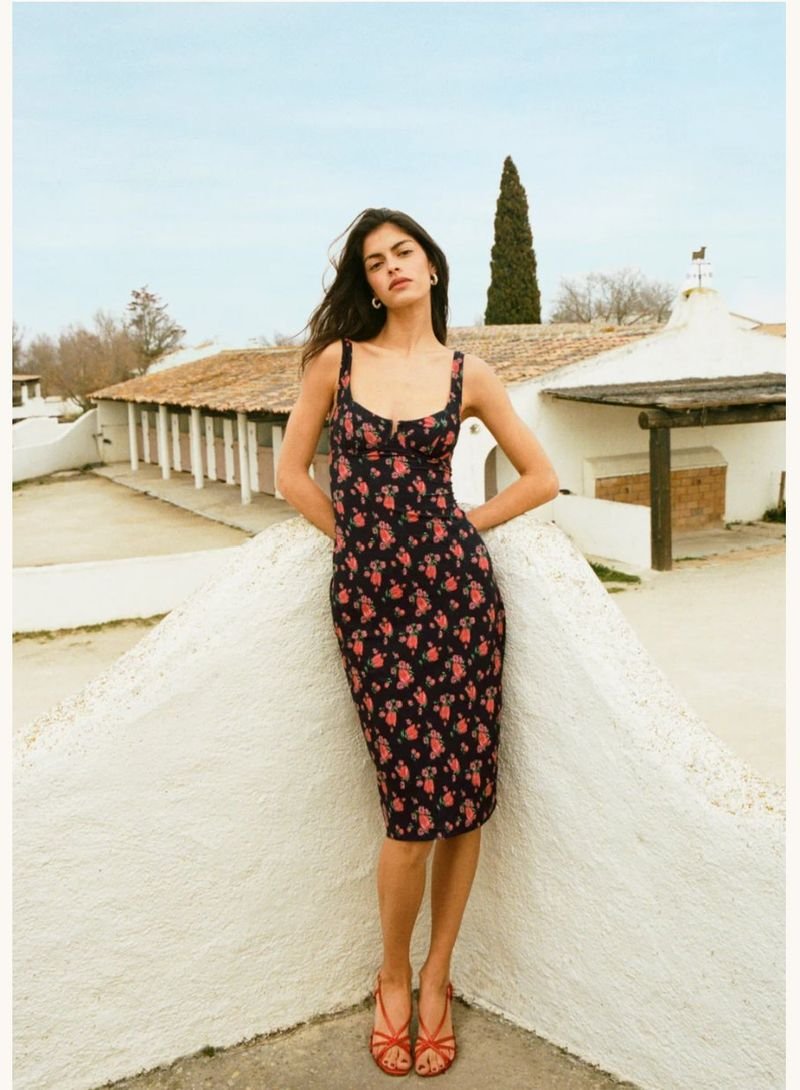
Jeanne Damas launched Rouje in 2016 after years of being photographed in vintage dresses and asked where she bought them. The answer, most of the time, was that she made them herself. Rouje is essentially that idea formalised: a small collection of dresses, tops, and trousers designed to look like well-chosen vintage without the uncertainty of actually hunting for vintage.
The signature is floral-printed wrap dresses with puffed sleeves, worn with minimal accessories. It is a very specific aesthetic and either speaks to you immediately or does not. What is genuine is the construction: the fabrics are considered, the sizing is consistent, and the brand does not overproduce. Collections sell out and are not restocked, which keeps the pieces feeling less ubiquitous than they might otherwise become.
The boutique on rue du Faubourg Saint-Antoine is small but lovely, with the relaxed atmosphere of a fitting room at a friend's place rather than a retail environment. Worth visiting in person at least once.
Maison 123
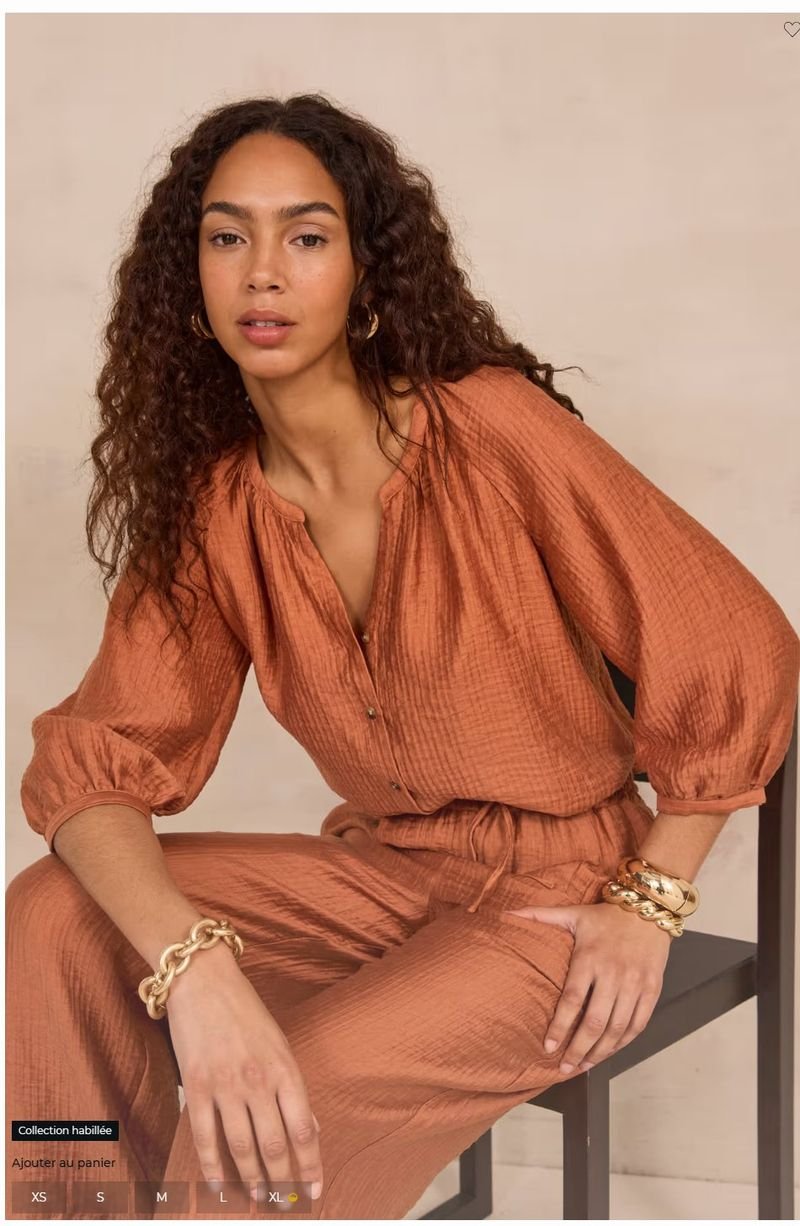
Maison 123 occupies a useful space in the Parisian wardrobe: it is the brand for when you need something that looks properly dressed without the cost of a designer piece. The clothes are work-appropriate without being stiff, and relaxed enough to carry into the evening without looking like you forgot to change.
The strength is tailoring. Blazers and trousers that fit well off the rack, in fabrics that look more expensive than they are. The colour palette follows seasonal trends without chasing them, which means pieces integrate well with older wardrobe staples. This is not a brand with a strong personality, but it is extremely competent at what it does.
b&sh
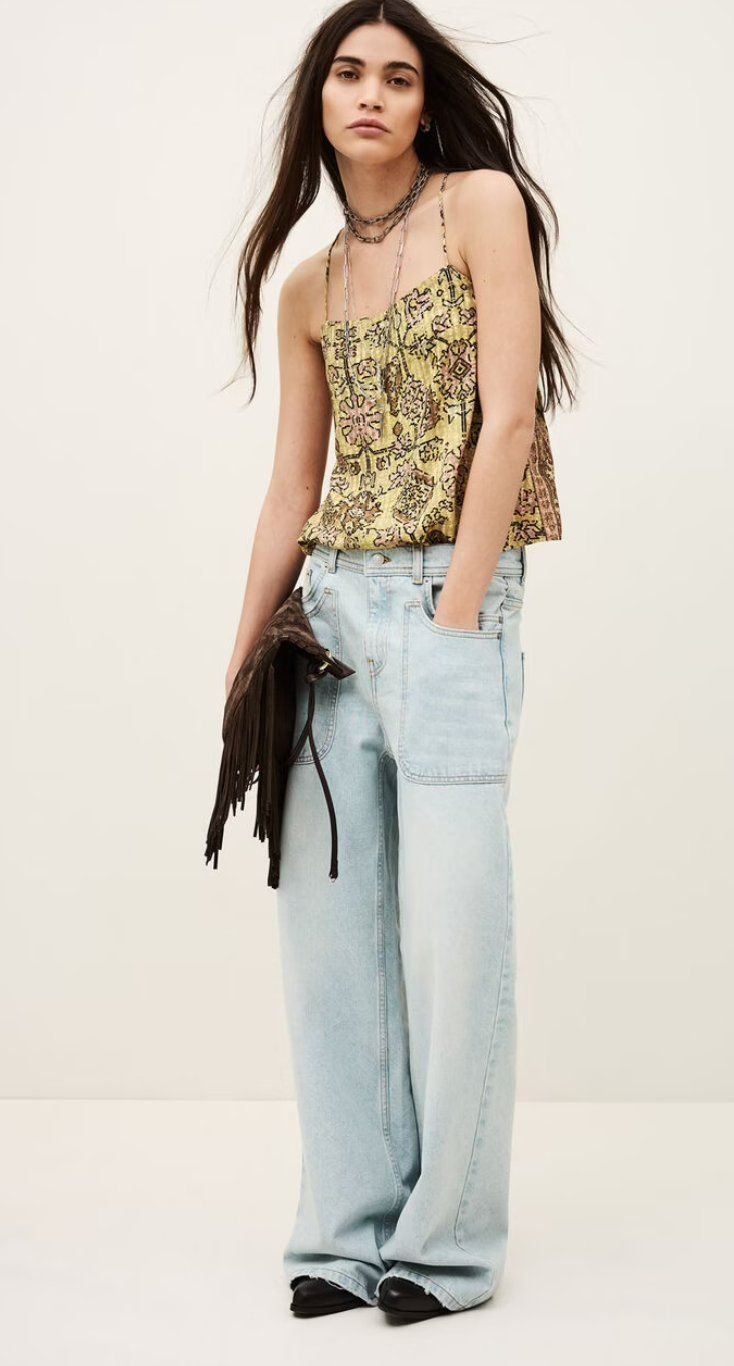
b&sh (short for Barbara and Stéphanie, the two sisters who founded the brand in 1997) has a slightly more relaxed DNA than Maison 123, with a tendency towards softer fabrics, feminine cuts, and a warmer palette. The knitwear is consistently good, particularly the mid-weight cardigans and crew necks that work from September through April in Paris.
Where b&sh stands out is in the detail: interesting buttons, unexpected linings, collars that sit slightly differently from the obvious. The brand is not trying to be minimalist, and the result is clothes that have more personality without veering into statement territory. A reliable choice for everyday Parisian dressing.
Sœur
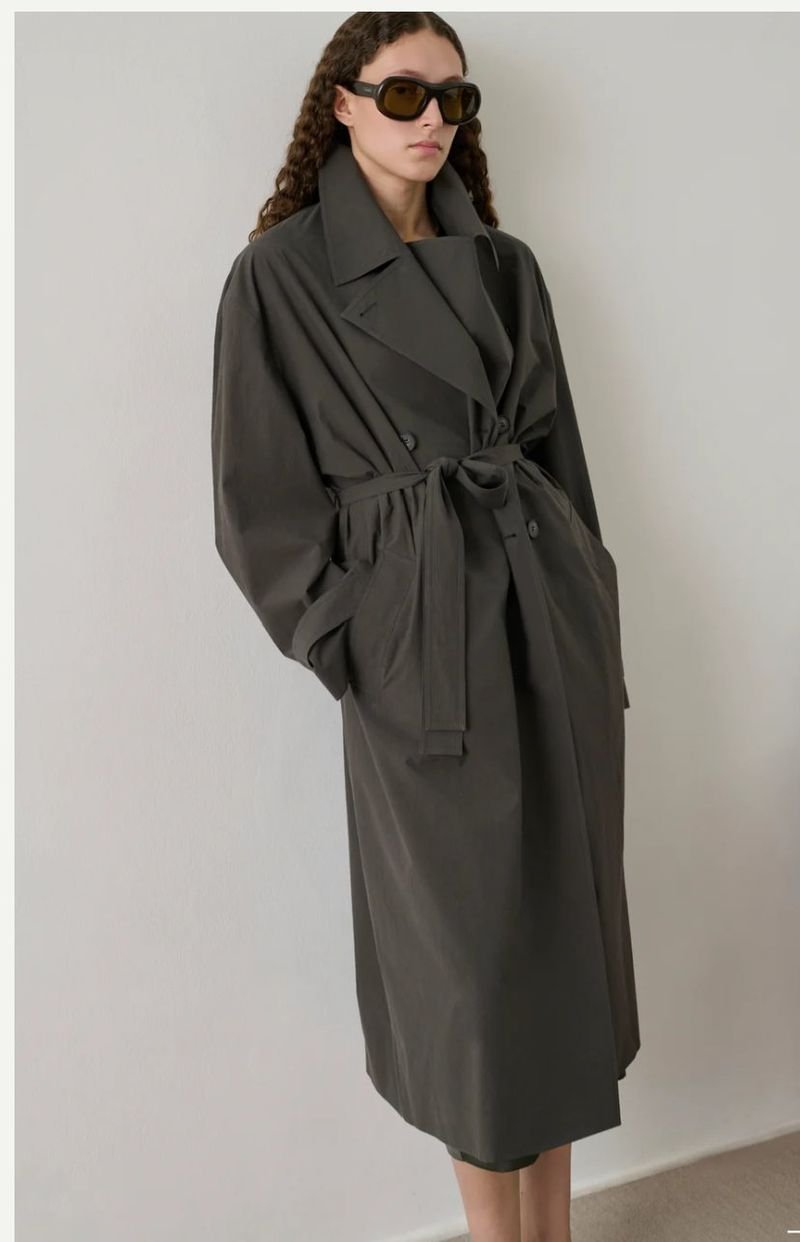
Sœur was founded by sisters Domitille and Angélique Brion, which perhaps explains why the clothes feel designed for real life rather than an idealised version of it. The brand sits at the intersection of Parisian ease and considered construction: nothing is overly precious, but nothing looks careless either.
The collections tend towards gentle prints, classic cuts reworked with a slightly unexpected detail, and a colour range that is broader than many comparable brands. Sœur is the brand I recommend to friends who want to look Parisian without resorting to the strict minimalism of A.P.C. or the very defined aesthetic of Rouje. It is versatile in the best sense.
Balzac Paris
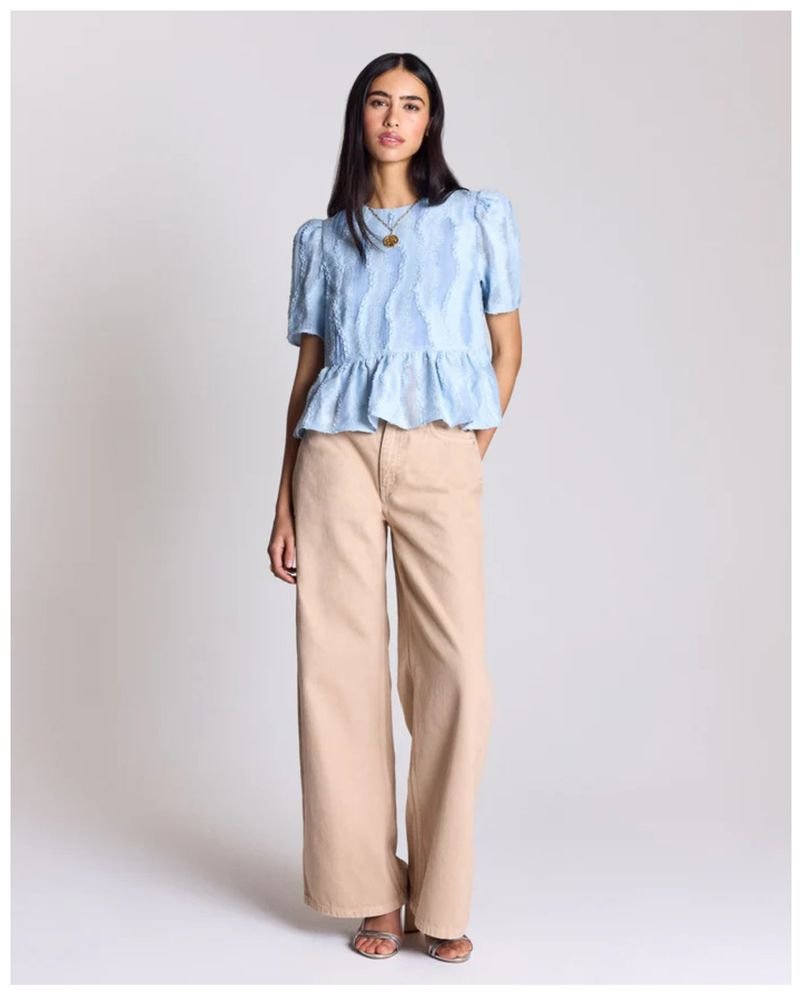
Balzac Paris was founded in 2014 by Anne-Laure Mais, who wanted to make clothes that felt genuinely French without being self-conscious about it. The brand sits in an interesting position: more feminine and detailed than A.P.C., more relaxed than Vanessa Bruno, with a lightness in the fabrics and cuts that makes it particularly good for spring and summer.
The blouses are the signature: cotton, linen, broderie anglaise, always with a slightly romantic touch that stops short of being precious. The wide-leg trousers and straight-cut jeans have a very good drape for the price. The brand is honest about its positioning and does not pretend to be something it is not, which in Paris counts for a great deal.
Vanessa Bruno
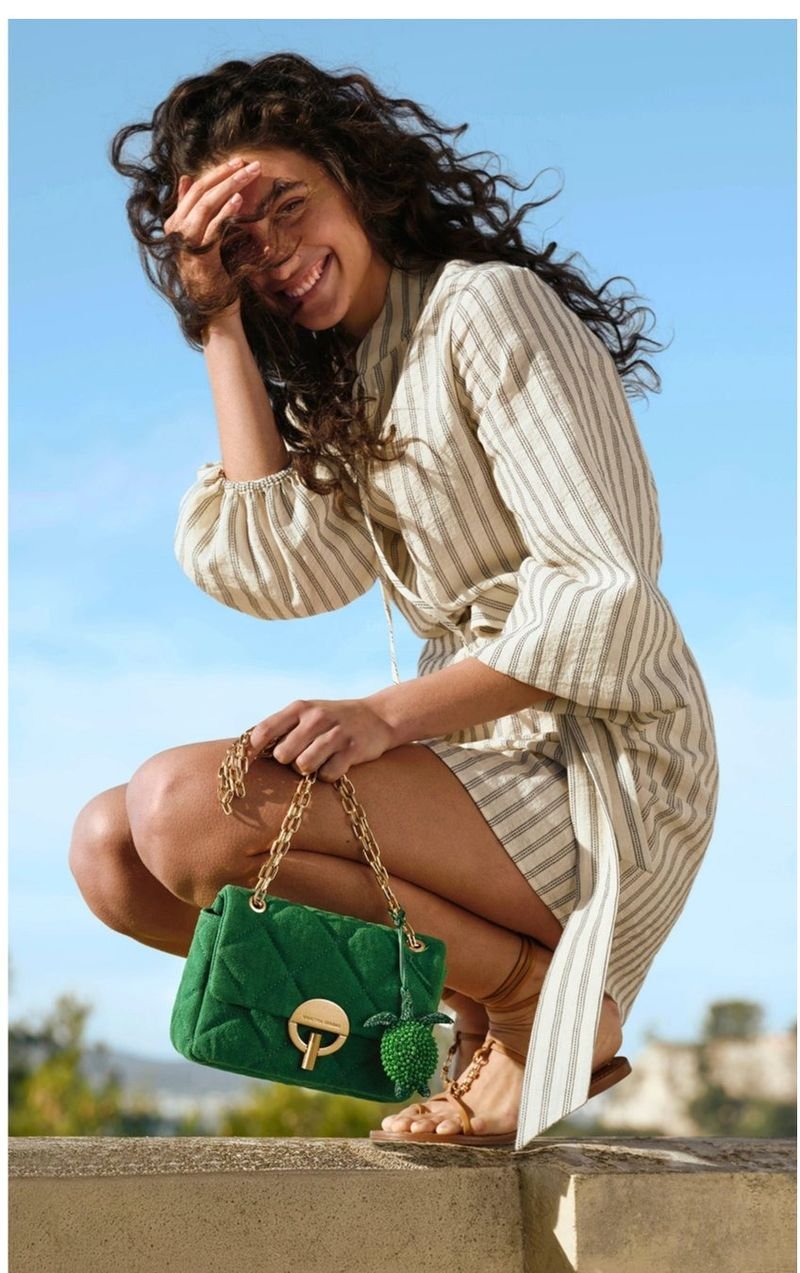
Vanessa Bruno has been making clothes since 1996 and the tote bag with the silver sequin stripe is probably the most copied French accessory of the past thirty years. But the label is more than one bag. The ready-to-wear is thoughtful and consistent: fluid silhouettes, natural fabrics, a relaxed femininity that does not depend on tight cuts or overt decoration.
The brand sits at a slightly higher price point than Sézane or b&sh, and the quality justifies it. Linen and silk blouses that last years, trousers with a genuine drape, and the occasional coat that becomes a wardrobe anchor. Vanessa Bruno is the kind of brand where you buy one piece every couple of seasons rather than a haul, and the cumulative effect of that approach is a wardrobe that feels entirely coherent.
The Saint-Sulpice boutique is the flagship and by far the best place to shop the full collection. The sales associates tend to be knowledgeable rather than pushy, which is not always the case in this neighbourhood.
Ami Paris
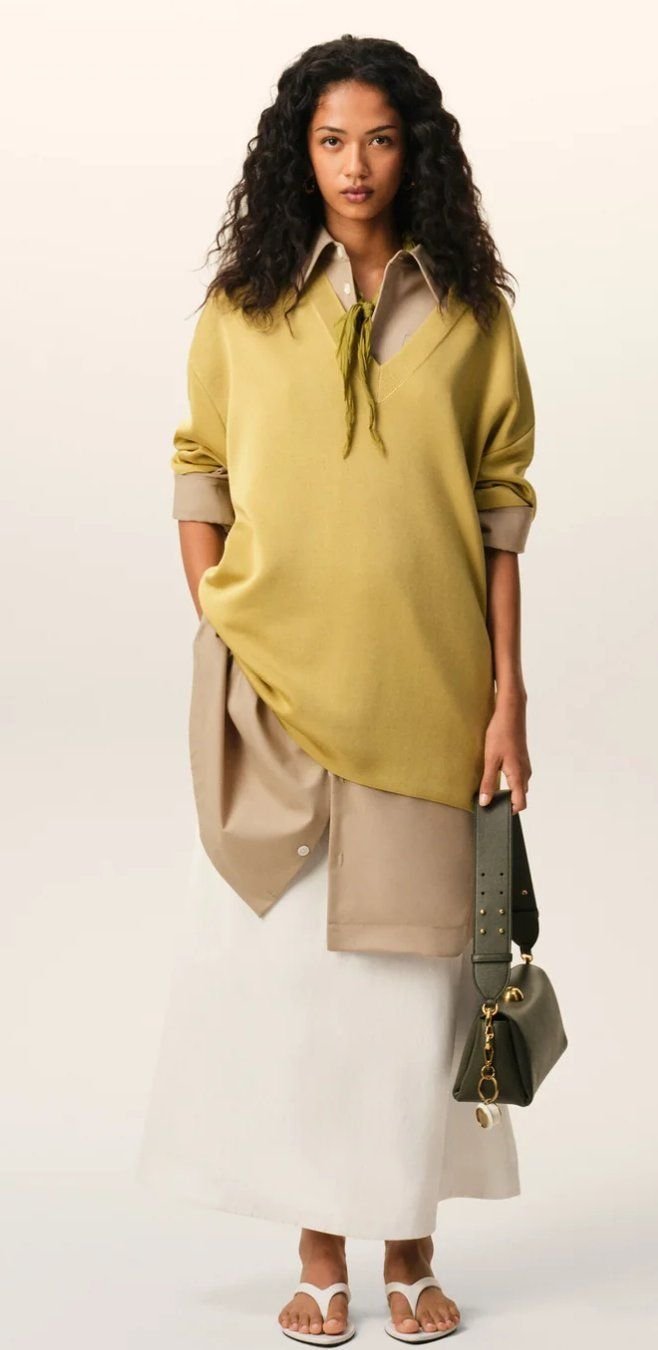
Alexandre Mattiussi founded Ami in 2011 with a genuinely appealing idea: clothes for a Parisian wardrobe, with the ease of casual wear and the construction of something more considered. The women’s line shares the same DNA. The heart logo became ubiquitous very quickly, which is both a sign of success and the brand’s main problem right now.
Jacquemus
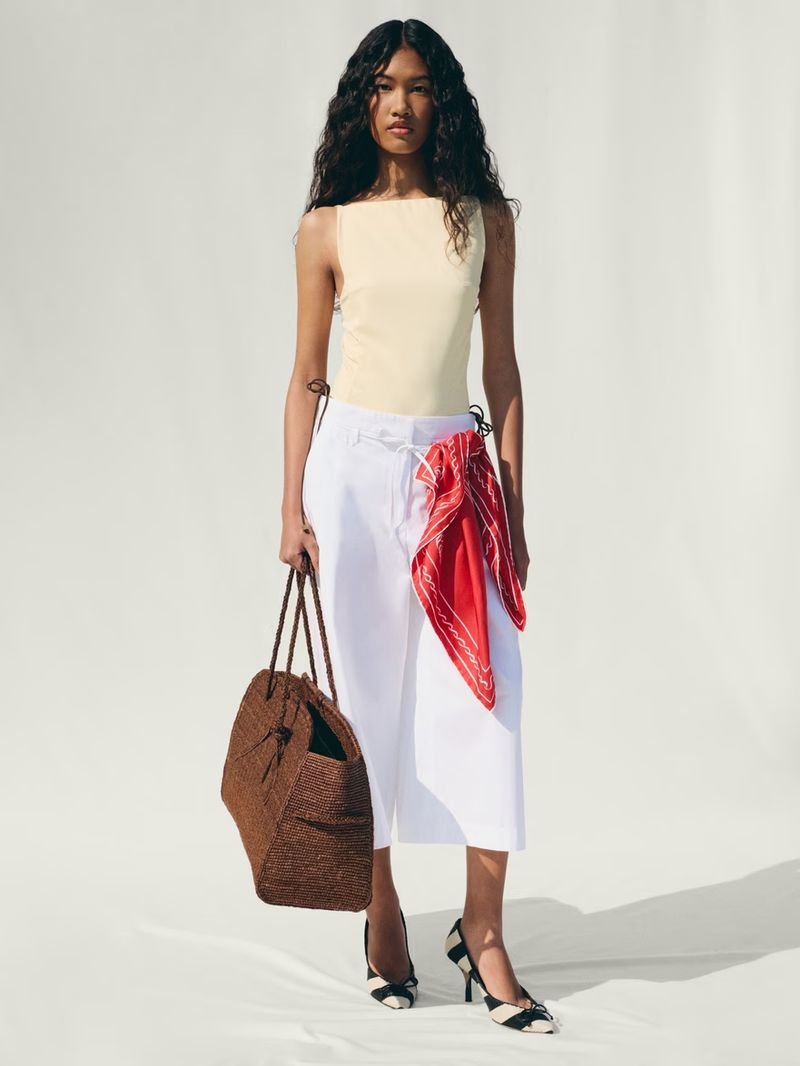
Simon Porte Jacquemus is one of the most genuinely talented designers to emerge from France in the past fifteen years, and his early collections showed it clearly. The proportions were unusual, the colour sense was confident, and the clothes felt like they came from somewhere specific and personal rather than from a trend board.
Brands change, quality shifts, and prices rarely move in the right direction. What you read here is true as of spring 2026. When in doubt, ask a Parisian.